It's 7:15 PM on a Friday. Your dining room is full, your host is seating a party of six, and your bartender is three tickets deep. The phone rings. Nobody gets to it. The caller hangs up.
That caller wanted to make a reservation for Saturday night — a table of four for a birthday dinner. They called the next restaurant on Google. You'll never know they called.
This plays out dozens of times per week in restaurants across the country, and the revenue math is sobering. A restaurant that misses 10 reservation calls per week at an average $75 cover per person on a table of three is losing over $100,000 per year in reservation revenue alone — before you account for to-go orders, catering inquiries, and event bookings.
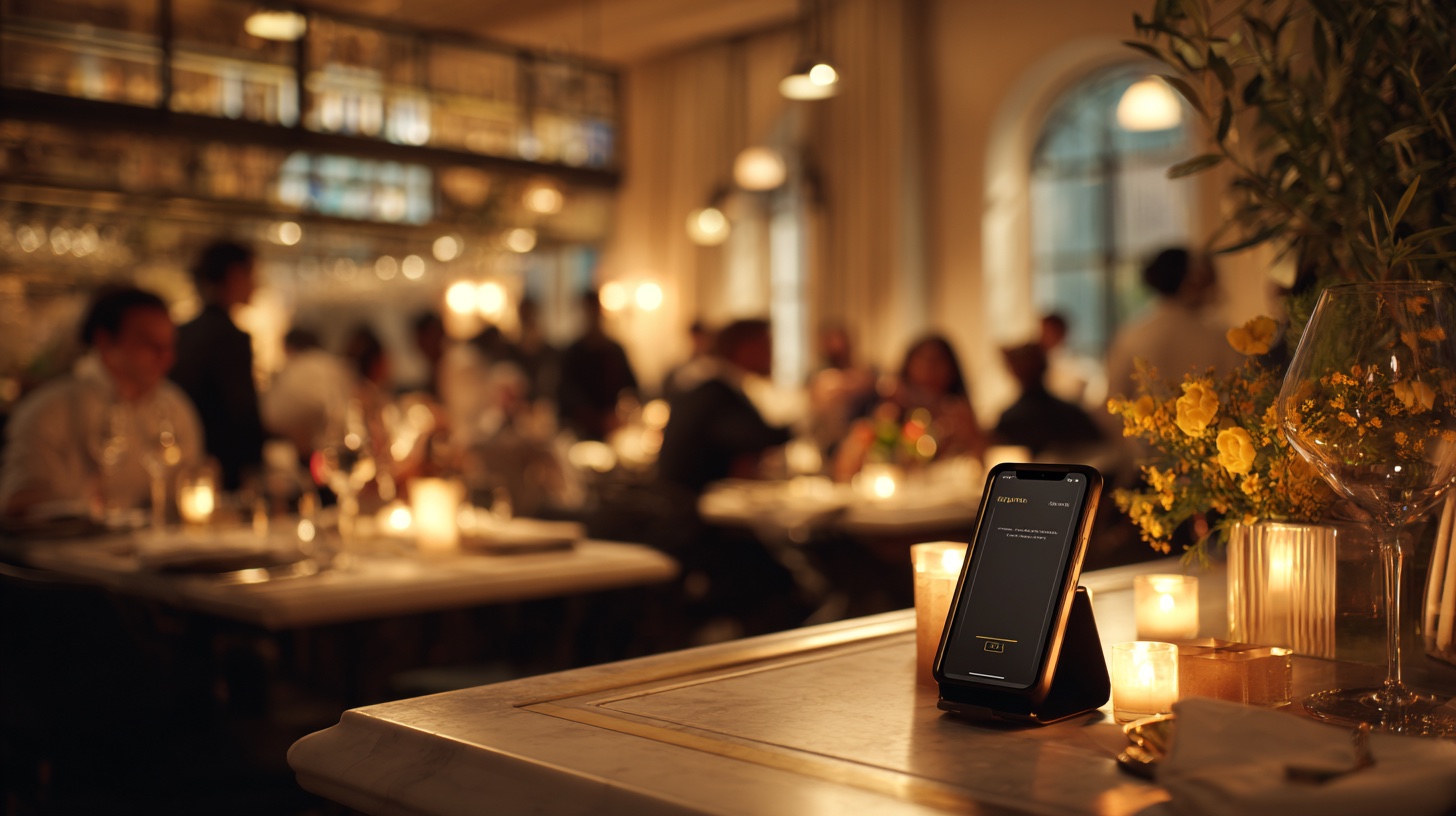
Why restaurants are uniquely vulnerable to missed calls
Most service businesses miss calls because they're understaffed or overwhelmed during peak periods. Restaurants have that problem too — but with a compounding factor: your peak call times and your peak service times are the same window.
From 6 PM to 9 PM Thursday through Saturday, your restaurant is simultaneously at maximum service intensity and receiving its highest volume of inbound calls. Your host is managing a wait list, seating tables, and handling in-person arrivals. Your servers are in the weeds. Whoever might otherwise answer the phone has ten more pressing things happening right in front of them.
The result is a systematic gap: the hours when people are most likely to call to make reservations are exactly the hours when no one can answer. And unlike an HVAC emergency caller who might leave a message, a restaurant reservation caller typically doesn't wait. They have options on their phone and they're booking tonight.
The three call types restaurants miss most
Reservation calls are the highest-value missed calls for most full-service restaurants. A party of four on a Saturday night represents $200–$400+ in revenue depending on your check average. Miss one call per day over a year — that's $73,000 to $146,000 in lost reservation revenue annually, conservatively.
To-go and delivery inquiries hit hardest at lunch and during the dinner rush. Callers who can't reach you to place a phone order increasingly don't order online either — they order from a competitor who answered. Fast casual and counter-service restaurants see this most acutely.
Event and catering inquiries are often the highest-ticket items in a restaurant's revenue mix — private dinners, corporate lunches, birthday buyouts — and they disproportionately come in during off-peak hours when someone at a company or planning a party has a free moment to make calls. These are callers with real budgets and real timelines who deserve a real response, not a voicemail.
How AI call handling works for restaurants
An AI voice agent configured for a restaurant handles inbound calls the way a trained host would — with knowledge of your hours, your reservation policy, your menu style, and how you want different situations handled.
A caller who wants to make a reservation gets walked through availability, party size, special requests (birthdays, allergies, high chairs), and a confirmation text. All of this happens in real time during the call, without a callback required.
A caller asking about your hours, parking, or whether you take walk-ins gets a direct answer. A caller inquiring about private events gets asked qualifying questions — party size, date, budget range, food preferences — and their information is captured for follow-up from your events team.
During your busiest service periods, the AI handles every call that comes in while your floor team stays focused on the guests in front of them. During off-hours, it captures reservations and inquiry details that would otherwise go to voicemail and get lost.
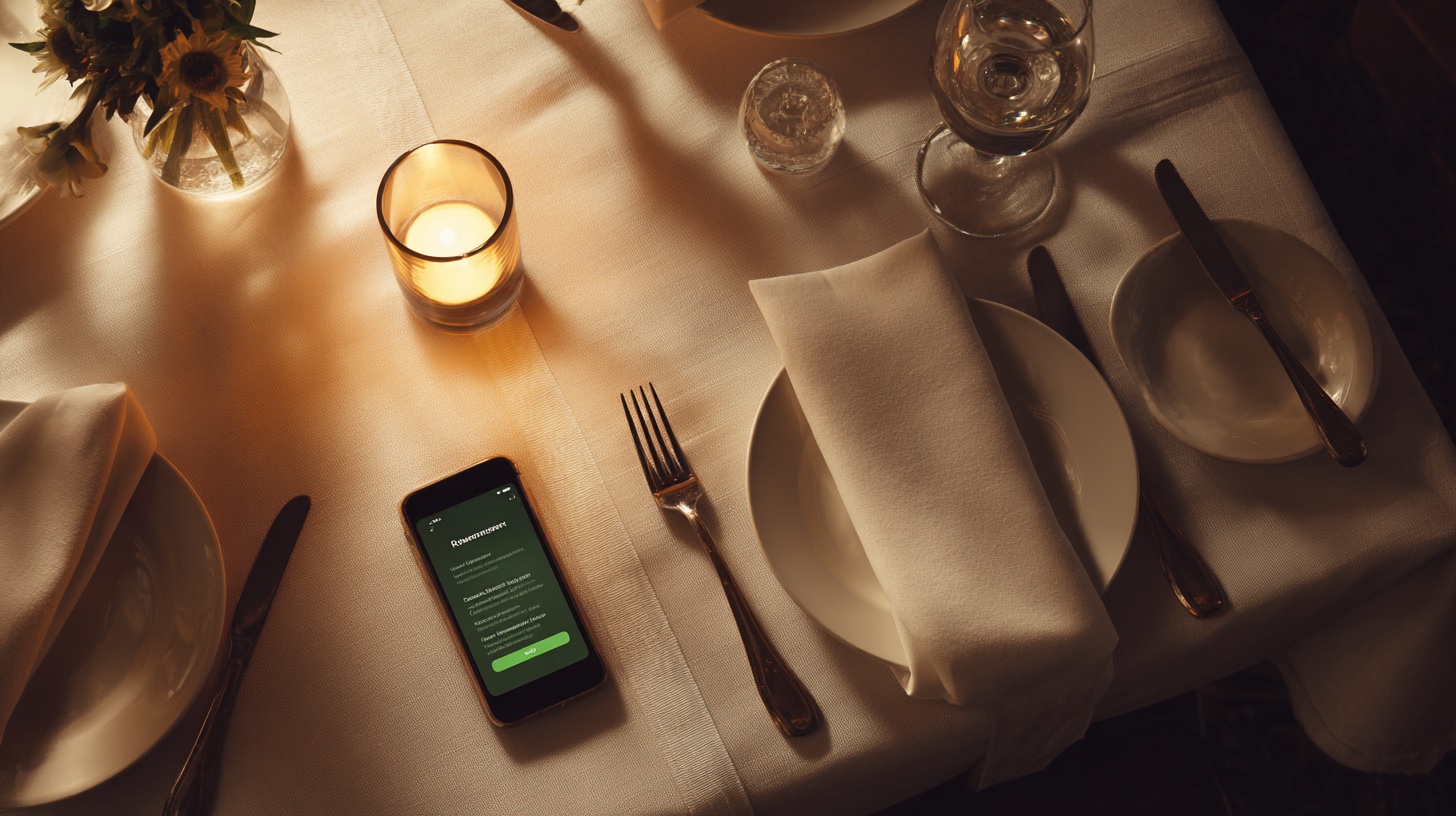
What to configure for a restaurant deployment
A restaurant AI voice agent works best when it's configured with specificity. The more context the AI has about your operation, the more accurately it handles calls:
Reservation policy: How far in advance do you take reservations? Do you hold tables? What's the cancellation policy? What's the maximum party size you can accommodate? Is there a deposit for large parties?
Menu style and dietary context: Callers often ask "do you have vegetarian options?" or "is it a good place for a first date?" The AI should be able to answer these accurately without just saying "I'll have someone call you."
Hours and location: These seem obvious but they're the most-asked questions on restaurant calls. The AI should know your hours for every day of the week, your address, and parking situation.
Private event handling: Define what information you need from an event inquiry caller — party size, date, preferred time, budget — and configure the AI to collect it before ending the call.
Escalation rules: What situations need a human? Same-day large party requests, specific chef inquiries, complaints about a previous visit. Configure clear escalation protocols for these.
The revenue recovery math
Here's a conservative calculation for a mid-volume full-service restaurant:
Assume 15 missed reservation calls per week (quite low for a busy restaurant on Thursday–Saturday). Average party size of 3, average check of $60 per person. At a 60% show rate on reservations, that's 9 tables per week × $180 average = $1,620 per week in recoverable reservation revenue.
Over 52 weeks, that's $84,240. Against a $249–$549/month AI coverage cost, the payback happens in the first two weeks of operation.
Want to run your own numbers? Use the BizRep Missed Call Calculator — plug in your call volume and average cover to see your specific annual revenue loss.
The competitive reality
The restaurants that implement AI call handling first in their local market get a structural advantage that's hard to close. They capture the Friday reservation caller who couldn't get through to you. They answer the Saturday to-go order that went to their competitor. They handle the Monday morning corporate lunch inquiry that became a $2,000 event at someone else's venue.
Restaurant margins are tight. The difference between a profitable year and a difficult one is often measured in a few hundred covers. Answering every call is one of the highest-leverage operational changes a restaurant can make — and it no longer requires hiring overnight staff to achieve.
If you want to hear what AI call handling sounds like on a call configured for your restaurant, book a free custom demo.

Ready to stop losing customers?
See BizRep A.I. handle a live call in your industry. Free custom demo trial, no credit card required.
Book Your Free Demo →